 how-to
7 Reasons Carpet Stains Reappear After Cleaning
Last Updated: October 25, 2026
Quick Summary
Carpet stains reappear because the stain was never fully removed, only pushed down or spread out. Wicking pulls buried soil to the surface as the carpet dries, detergent residue attracts new dirt, and too much water pushes grime into the backing and pad. The fix is thorough extraction and fast drying, not more scrubbing.
- Blot stains for 10 to 15 seconds with a clean white cloth instead of rubbing the pile.
- Rinse treated spots with clean water and blot to prevent residue-driven re-soiling.
- Aim for the carpet to be dry to the touch within 6 to 12 hours.
- Check reappearing spots at 24 and 72 hours, since wicking often shows up on day two or three.
- If a spot returns within a week after two attempts, the source is likely in the backing or pad.
Table of Contents
- Why Carpet Stains Come Back: The Short Answer
- Carpet Stain Wicking: When Moisture Pulls Dirt Back Up
- Carpet Cleaning Residue Causing Stains and Rapid Re-Soiling
- Over-Wetting and Embedded Soil in the Backing and Pad
- How to Remove Carpet Stains That Keep Reappearing
- How Long Carpet Takes to Dry After Cleaning (and Why It Matters)
- Wicking vs. Re-Soiling: A Quick Diagnostic
- When a Stain Is Permanent and the Carpet Is Damaged
- Frequently Asked Questions
Why Carpet Stains Come Back: The Short Answer
If a stain fades then creeps back a week later, you are not imagining it. Carpet stains reappear for one reason: the stain was never fully removed, only pushed down or spread out.
Cleaning lifts dirt to the surface. If the carpet stays damp or soap is left behind, that soil finds its way back up.
Here is the short version of why this happens:
- Wicking pulls buried soil up to the surface as the carpet dries.
- Detergent residue acts like a magnet for new dirt.
- Too much water pushes grime deeper into the pad.
Below, we break down each cause and give you a step-by-step fix. Most reappearing stains are treatable, you just have to attack the right problem.
Carpet Stain Wicking: When Moisture Pulls Dirt Back Up
Carpet stain wicking is the process where moisture draws soil from deep in the carpet back to the surface as it dries (The Ultimate Fix for Wicking).
Think of a candle wick pulling wax upward.
As the carpet dries, moisture moves upward and takes that buried soil with it, so the spot reappears, often in a wider ring.
A light clean and air dry is the classic setup for wicking.
The fix is thorough extraction, not more scrubbing: pull the soil out from below, then dry fast so moisture does not have time to wick.
Carpet Cleaning Residue Causing Stains and Rapid Re-Soiling
Carpet cleaning residue causing stains is one of the most overlooked DIY problems.
This is rapid re-soiling: the carpet looks clean for a few days, then attracts grime faster than before.
A common mistake is using too much cleaning solution. More soap does not mean more cleaning power. It means more residue.
Signs you have a residue problem:
- Spots return within days, not weeks.
- Cleaned areas feel slightly stiff or sticky.
- Dirt gathers in the same traffic paths.
The fix is a clean rinse. If you want to understand why home shampooers often do more harm than good, our blog explains it.
Over-Wetting and Embedded Soil in the Backing and Pad
Once soil reaches the pad, surface cleaning cannot touch it.
Carpet construction matters: thick pads hold more water and dry slower, and older carpets with worn backing soak up moisture like a sponge.
Rental shampooers and over-generous spray bottles are the usual culprits.
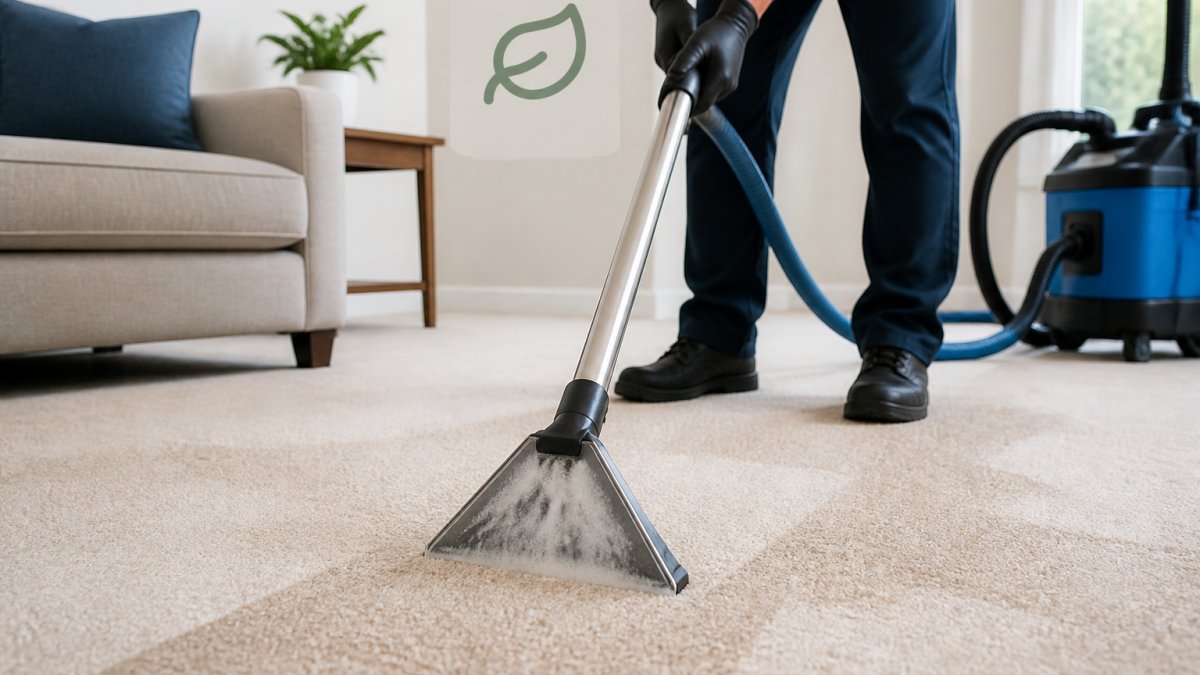
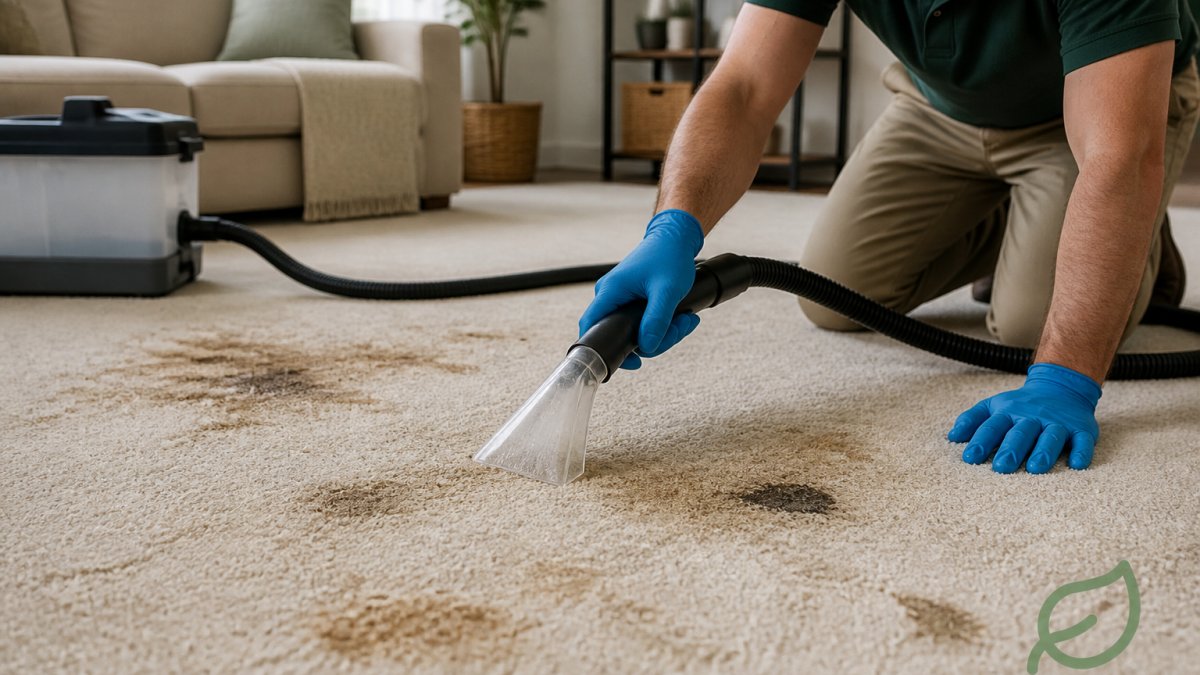
The fix is controlled moisture and strong carpet extraction. A proper hot water extraction pass pulls water and soil out together.
How to Remove Carpet Stains That Keep Reappearing
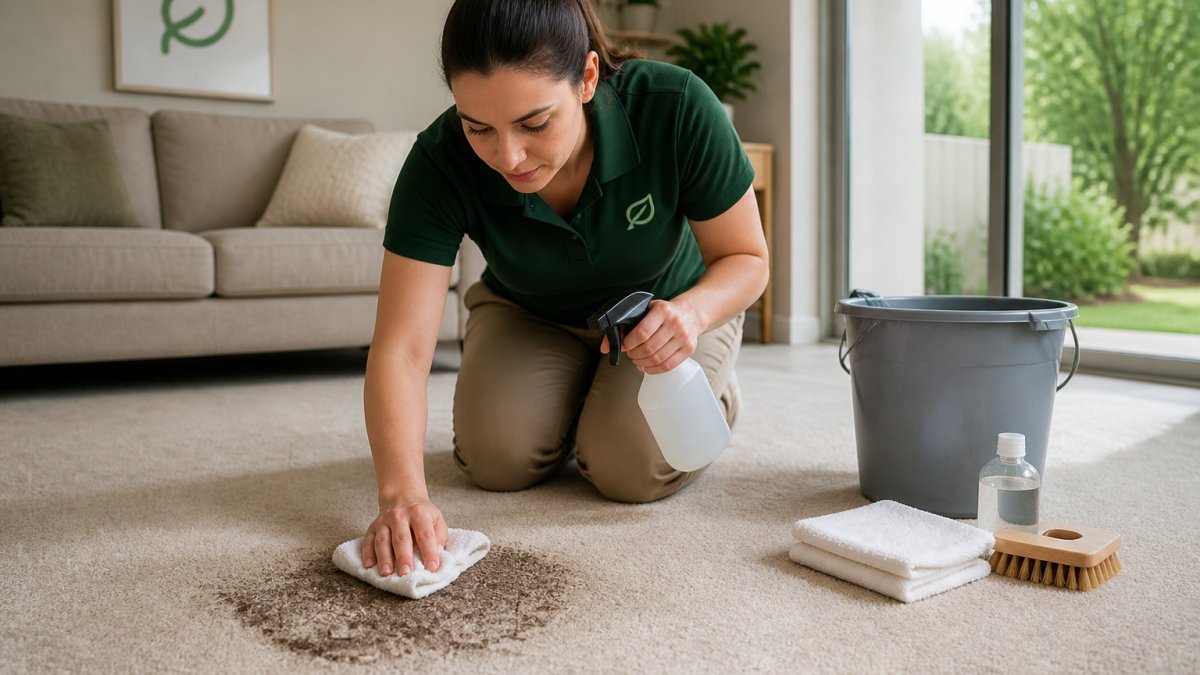
The reliable way to remove a reappearing stain is to treat the source, not the surface. If you are wondering whether steam cleaning can remove set-in stains, steam cleaning and set-in stains explains what it can and cannot do.
The Core Sequence (Works for Most Spots)
- Blot, do not rub. Press a clean white cloth into the stain for 10-15 seconds, rotate to a clean face, and repeat until it picks up little color. Rubbing abrades the pile and spreads the spill.
- Test a hidden area first. Apply your solution to a corner or closet edge, wait 5 minutes, and check for color change or fiber softening. Wool, silk, and some solution-dyed nylons are sensitive to alkaline products.
- Apply less solution than you think you need. A few drops on a cloth beats a soaked sponge. Work from the outside inward so you do not create a ring.
- Dwell, do not scrub. Let the solution sit 3-5 minutes to lift the soil, then blot. Agitation should be a press, not a circular scrub.
- Rinse with clean water. Flush with a damp clean cloth or plain water spray, then blot. Repeat once, this prevents residue-driven re-soiling.
- Extract thoroughly. Use a wet vacuum, or press dry white towels down hard and stand on them, changing towels until they come up nearly dry.
- Dry fast. Point a fan at the spot, open a window, and aim for dry to the touch within 6-12 hours.
- Check after 24 hours. If a ring returns, repeat the rinse-and-dry steps only, do not add more detergent.
Step-by-Step Treatment by Stain Type
Different stains need different handling. The sequence above stays the same; the differences are in the pre-treatment and the rinse.
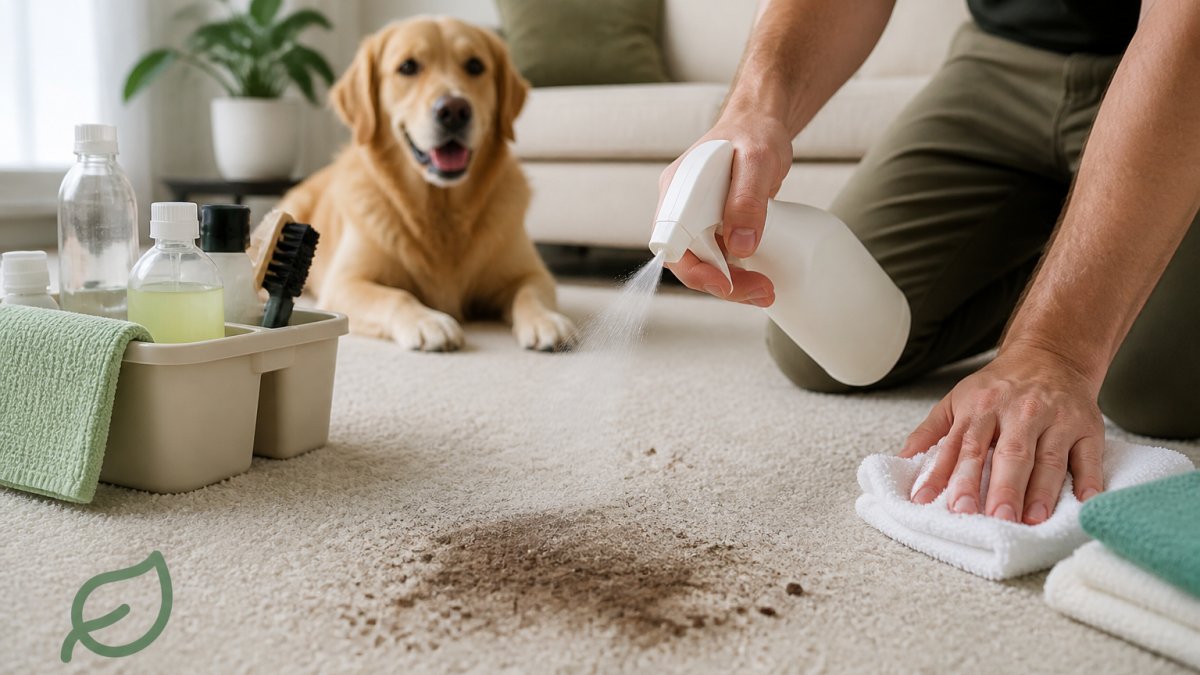
Pet stains (urine, vomit). Urine soaks through the backing into the pad, which is why it wicks back so reliably. Pet owners who want a safe method can follow this non-toxic pet stain removal guide. For a deeper walkthrough, see how to remove old pet stains from carpet.
Coffee and tea. Blot while wet, flush with clean water, and dry fast. These tannin-based stains benefit from a mild acid rinse.
Grease and oil. Lift with a dry cloth first, water alone spreads oil.
Ink and marker. Blot with isopropyl alcohol on a white cloth, testing first.
Extraction and Rinse Checks
To check your rinse, press a dry white towel into the spot and stand on it for a few seconds. If it comes up stiff or soapy, there is still residue, rinse again. Slick or squeaky carpet when dry is a residue signal, not a clean one; a properly rinsed spot feels like the surrounding carpet: soft, dry, and not tacky.
When to Stop and Call a Professional
If you have run the sequence twice and the spot still returns within a week, the source is likely in the backing or pad, and more DIY solution only adds residue. A professional hot water extraction pass can flush the backing and pad, and a moisture check can confirm saturation. If the pad is soaked or smells, replacing that section is often cheaper than repeated cleaning.
How Long Carpet Takes to Dry After Cleaning (and Why It Matters)
How long carpet takes to dry after cleaning depends on the method, the carpet, and the airflow. Most carpets dry in 6 to 12 hours with good ventilation; thick carpet, dense pad, and heavy moisture can take 24 hours or more. Moisture drives wicking and re-soiling: a damp carpet keeps pulling soil upward, and the longer it stays wet, the higher the chance the stain returns.
Drying Targets by Method
- Light spot treatment (hand blot + fan): 2-6 hours if you extract well.
- Rental or home shampooer, single pass: 6-12 hours with fans and open windows; longer if the pass was slow or the tank was overfilled.
- Professional hot water extraction: 4-8 hours typical; thick pile can run 12-24 hours.
Measurable Checks You Can Do Yourself
You do not need a moisture meter to judge drying, though a cheap pin-type meter (often under $30) gives a clearer read. Without one, use these checks:
- The towel test. Press a dry white towel into the carpet and stand on it for 10 seconds. If the towel feels damp, the carpet is still wet at depth.
- The hand test. Place your palm flat on the carpet for 30 seconds. A cool, clammy feeling means moisture is still present.
- The step test. Walk on the carpet in white socks. Damp socks or a squish sound means it is not dry.
How to Speed Up Drying
- Airflow first. A box fan or air mover pointed across the carpet beats a ceiling fan alone.
- Ventilation. Open windows on opposite sides of the room to create cross-flow. In humid weather, a dehumidifier does more than open windows.
- Heat helps, within limits. Keep the room at normal living temperature. Do not crank heat high, too much heat can set stains and warp backing.
After-Cleaning Follow-Up Checklist
A short routine after the carpet dries prevents most reappearing stains:
- Re-check the spot at 24 and 72 hours. Wicking often shows up on day two or three, not day one.
- Vacuum slowly once fully dry. Slow passes lift the loose soil that residue would otherwise trap.
- Rinse any spot that returns with plain water only. Do not add more detergent, that is how residue builds up.
- Keep the area dry for 24 hours after any spot treatment. A fan on low is enough.
- Note the location. If the same spot returns twice, the source is in the backing or pad, and it is time for professional extraction.
Wicking vs. Re-Soiling: A Quick Diagnostic
Not sure which problem you have? Use this quick check to tell wicking from re-soiling.
| Sign | Wicking | Rapid Re-Soiling |
|---|---|---|
| When it returns | Within days, as carpet dries | Within a week, after foot traffic |
| Shape | Ring or wider version of the original spot | Broad dull patch in traffic areas |
| Carpet feel | Normal once dry | Slightly stiff or sticky |
| Location | Same spot every time | Anywhere people walk |
| Main cause | Soil left in backing | Soap residue left behind |
| Fix | Deep extraction and fast drying | Clean rinse and less solution |
If the same spot keeps returning in the same shape, it is wicking. If the whole area dulls fast, it is residue. Many carpets have both problems at once.
When a Stain Is Permanent and the Carpet Is Damaged
Some stains will not come out, no matter what you do. That is not a cleaning failure. It is damage.
A stain is likely permanent when:
- The color has been bleached or changed by the spill.
- The stain has set for weeks or months.
- The carpet fibers feel matted or stiff in that spot.
In these cases, the staining agent has bonded with the carpet fiber or reached the pad. Surface cleaning cannot fix that.
This is where professional help makes sense. At EcoClean, we use hot water extraction to pull soil out of the backing and pad, then dry the carpet fast to stop wicking.
If your stain has resisted every DIY attempt, it may be time to let a pro take a look. You can book a carpet cleaning and get an answer on whether the spot can be saved.
Frequently Asked Questions
How do you get rid of carpet stains that keep reappearing?
Treat the source, not just the surface. Blot up as much moisture as you can, then apply a small amount of cleaning solution and rinse it out with clean water so no detergent residue stays behind. Dry the area fast with airflow and ventilation. If the stain still returns after two rounds, the staining agent is likely in the backing or pad, and hot water extraction by a professional is the next step.
How can I tell whether a returning stain is wicking or cleaning residue?
Timing and texture tell you most of it. Carpet stain wicking usually shows up as a dark ring or patch hours to a day after the carpet dries, because moisture is drawing soil up from below. Residue-related stains feel slightly stiff or sticky and attract fresh dirt within days, often across a wider area than the original spot. A simple blot test with a damp white cloth helps: if color transfers, there is still staining agent in the fiber.
How long does carpet take to dry after cleaning, and does it affect stains coming back?
Most carpets dry in 6 to 12 hours with good airflow, and dense or thick-pile carpet can take up to 24 hours. Slow drying keeps the backing and pad damp, which lets wicking and residue buildup continue. Run fans and open windows, keep humidity down, and avoid walking on the carpet until it is fully dry. If the carpet still feels damp after a full day, more airflow or a professional re-check is warranted.
When should I call a professional for a recurring carpet stain?
Call a professional when a stain returns after two careful DIY attempts, when the spot feels damp or smells musty, or when it sits over a pad seam or high-traffic area. Pet stains and old food spills often soak into the backing and pad, where surface cleaning cannot reach. Hot water extraction with proper rinse and drying removes embedded soil and detergent residue, which is what stops the cycle.
Stains that keep coming back are frustrating, but they are usually fixable once you know the cause. Wicking, residue, and over-wetting account for most repeat spots, and each has a clear fix. When DIY stops working, EcoClean can help with deep hot water extraction, fast drying, and a focus on safe, low-residue cleaning for homes with pets and kids. Get started with EcoClean and put those reappearing stains behind you.