 how-to
Deep Cleaning Carpets for Health: 7 Proven Benefits
Last Updated: October 22, 2026
Quick Summary
Deep cleaning carpets removes embedded soil, allergens, dust mites, bacteria, and mold spores that routine vacuuming cannot reach, reducing the pollutant reservoir in your carpet fibers. This supports cleaner indoor air, fewer allergy and asthma triggers, and better mold and odor control. Most homes benefit every 6 to 12 months, while pet owners and allergy sufferers should clean every 3 to 6 months.
- Carpets act as pollutant reservoirs that release trapped particles back into indoor air once full.
- Hot water extraction flushes out the deep layer with heated water and suction.
- Schedule cleaning when asthma sufferers can leave home for several hours during cleaning and drying.
- Dark traffic lanes and a dull texture signal embedded soil buildup in high-traffic rooms.
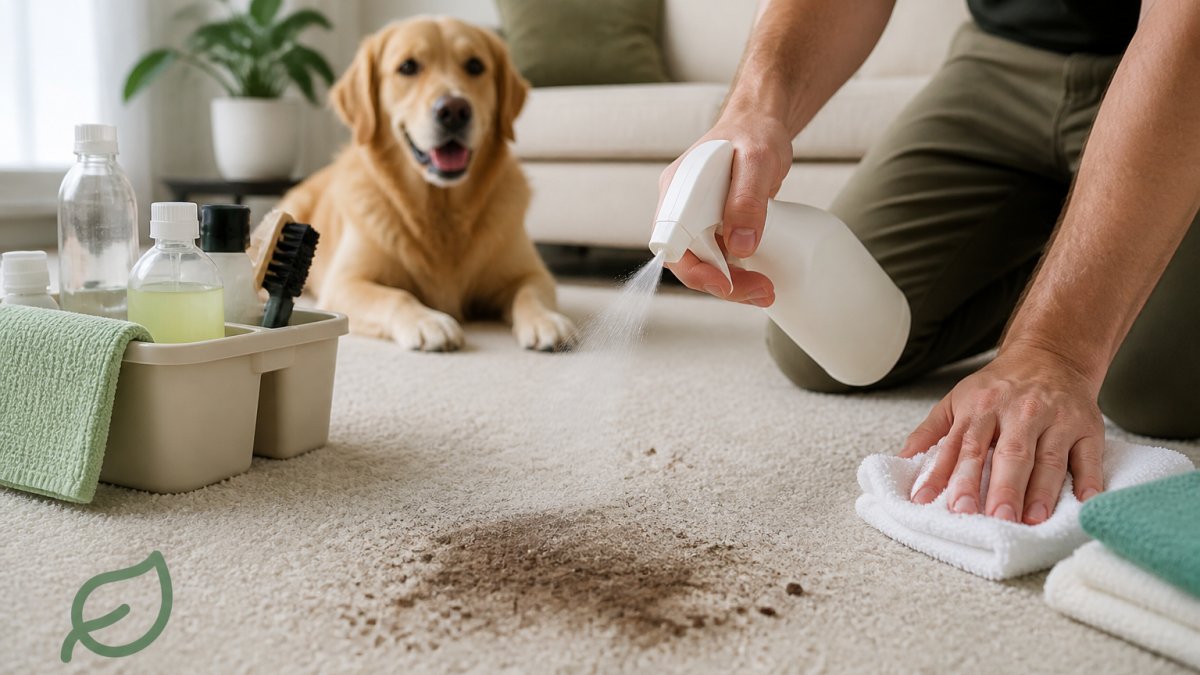
- The most common DIY mistake is using too much shampoo, which leaves sticky residue that attracts new dirt.
Table of Contents
- Why Deep Cleaning Carpets Matters for Health
- 7 Health Benefits of Deep Cleaning Carpets
- How Often to Deep Clean Carpets by Household
- Professional Carpet Cleaning vs DIY: Which Works Better
- Carpet Cleaning Cost per Square Foot in 2026
- A Step-by-Step Deep Cleaning Process That Protects Your Health
- Moisture Control and Drying: The Step Most People Skip
- Conclusion
- Frequently Asked Questions
Why Deep Cleaning Carpets Matters for Health
Deep cleaning carpets removes embedded soil, allergens, and pollutants that routine vacuuming cannot reach.
Your carpet acts like a filter, trapping dust, pollen, pet dander, and other particles (the EPA). Once it fills up, it stops holding them and releases them back into your indoor air with every step.
What Deep Cleaning Actually Removes
Deep cleaning removes what sits below the surface: trapped allergens, embedded soil, dust mites, bacteria, and mold spores. Vacuuming lifts surface debris but leaves the deeper layer alone.
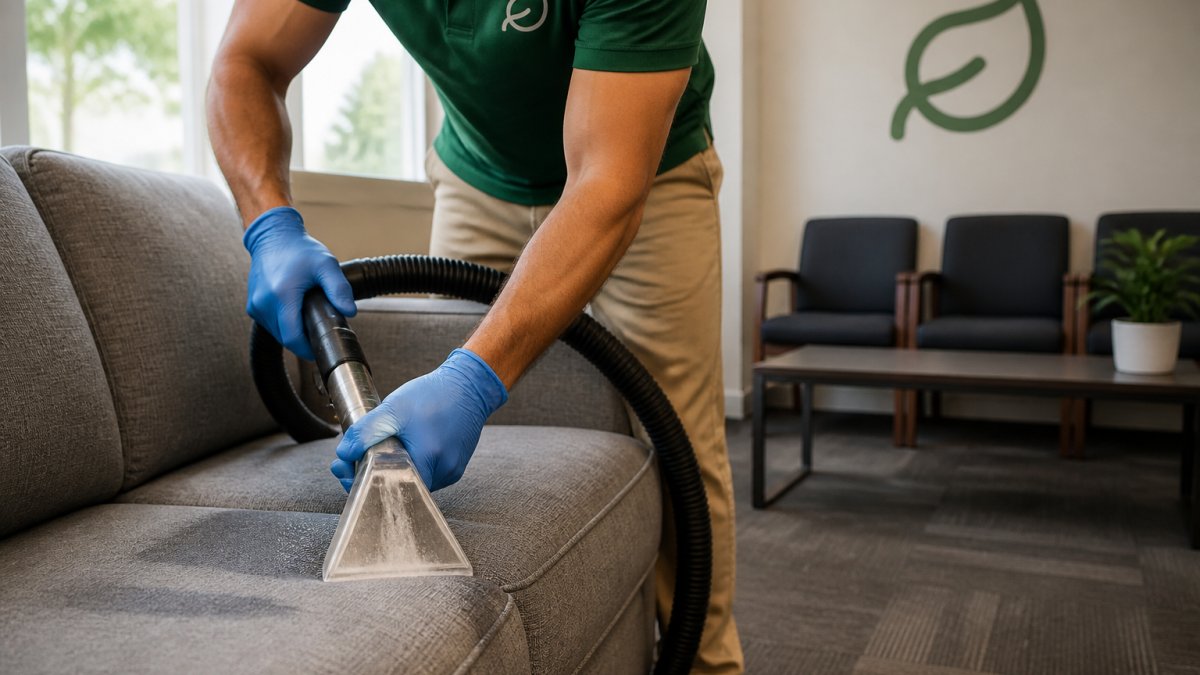
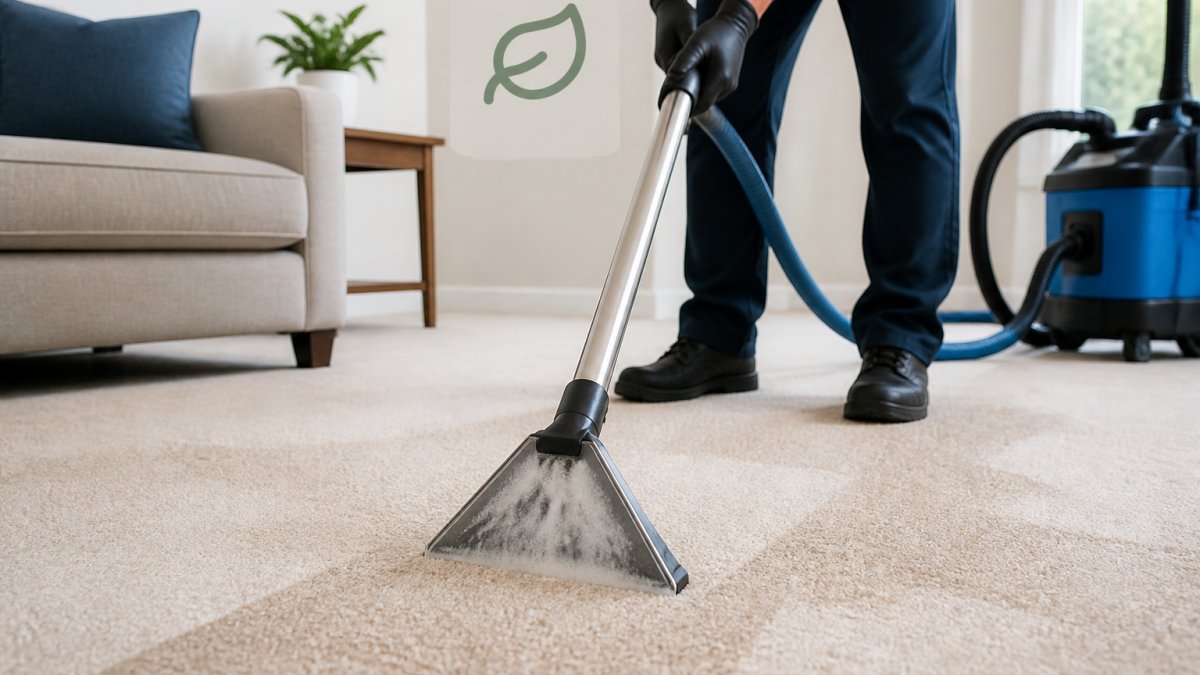
Hot water extraction, or steam cleaning, flushes out that layer with heated water and suction, leaving a carpet that holds less dust and fewer pollutants, which matters most in homes with allergy or asthma triggers.
7 Health Benefits of Deep Cleaning Carpets
The benefits below are practical, not miracle claims.
- Cleaner indoor air and fewer airborne particles
- Fewer allergy and asthma triggers
- Mold, mildew, and odor control
- Less dust and embedded soil
- Fewer bacteria and household pollutants
- Better humidity management
- Longer carpet lifespan and fresher appearance
Cleaner Indoor Air and Fewer Airborne Particles
Cleaner indoor air starts with removing the source. Deep cleaning pulls dust, pollen, and pet dander out of carpet fibers rather than pushing them around.
The EPA's indoor air quality guidance notes that carpets can act as a reservoir for pollutants. Regular deep cleaning reduces that reservoir. For a home with foot traffic and pets, this is one of the simplest steps you can take.
Fewer Allergy and Asthma Triggers
Fewer allergy and asthma triggers is the benefit customers ask about most. Dust mites, pet dander, and pollen settle into carpet fibers until they are extracted.
Deep cleaning does not cure allergies. But reducing the allergen load in your home can make symptoms easier to manage. The American Lung Association's indoor air resources recommends controlling dust and pet dander as part of a healthier indoor environment.
Mold, Mildew, and Odor Control
Mold and mildew need moisture. When spills, pet accidents, or humidity leave carpet damp, spores take hold; deep cleaning with proper drying removes both the spores and the moisture they need.
Odors follow the same pattern. Pet accidents and spills leave residue in the backing. A surface clean masks the smell. Extraction removes it.
Less Dust and Embedded Soil
Embedded soil grinds against carpet fibers with every step, dulling appearance and shortening lifespan. Deep cleaning lifts that soil out, protecting fibers and keeping the carpet looking newer for longer.
Fewer Bacteria and Household Pollutants
Bacteria and household pollutants collect in high-traffic areas. Hot water extraction with a proper cleaning solution reduces that load. This matters most in homes with pets, young children, or anyone who spends time on the floor.
Better Humidity Management
Humidity management connects directly to mold prevention. A damp carpet holds moisture in the room; thorough extraction and ventilation keep indoor humidity in check and reduce mildew risk.
Longer Carpet Lifespan and Fresher Appearance
A well-maintained carpet lasts longer. Regular deep cleaning removes the grit that wears fibers down and restores freshness and appearance, which matters if you rent, sell, or host clients at home.
How Often to Deep Clean Carpets by Household
How often you deep clean depends on foot traffic, pets, and health needs. The table below gives a practical starting point.
| Household Type | Deep Cleaning Frequency | Key Reason |
|---|---|---|
| Single adult, no pets | Every 12-18 months | Low foot traffic |
| Family with children | Every 6-12 months | Higher soil and spills |
| Pet owners | Every 3-6 months | Dander and accidents |
| Allergy or asthma sufferers | Every 3-6 months | Allergen control |
| Commercial or rental property | Every 3-6 months | Client-facing appearance |
High-traffic rooms like living areas and hallways may need attention sooner than bedrooms. Dark traffic lanes and a dull texture both signal embedded soil buildup.
Professional Carpet Cleaning vs DIY: Which Works Better
Professional carpet cleaning vs DIY comes down to equipment and drying power. Rental machines and home shampooers clean the surface. Professional hot water extraction reaches deeper and pulls out more water.
Here is how the two compare:
- Extraction power: Professional units remove more embedded soil and moisture
- Drying time: Better extraction means faster drying and less mildew risk
- Cleaning solution: Professionals match products to carpet fibers
- Risk of residue: DIY overuse of shampoo leaves sticky residue that attracts new dirt
- Time: DIY takes a full day plus drying; professional service is done in hours
For a single small room, DIY can work. For a whole home with pets or allergy concerns, professional cleaning usually delivers better results and safer drying.
Carpet Cleaning Cost per Square Foot in 2026
Carpet cleaning cost per square foot in 2026 depends on the method, fiber, and carpet condition. We do not publish flat rates because every job differs.
What drives the price:
- Total square footage and number of rooms
- Carpet fiber type and pile height
- Level of embedded soil and stubborn stains
- Pet stain and odor treatment
- Furniture moving and access
- Post-cleaning drying and ventilation needs
For an accurate number, request a quote based on your space.
A Step-by-Step Deep Cleaning Process That Protects Your Health
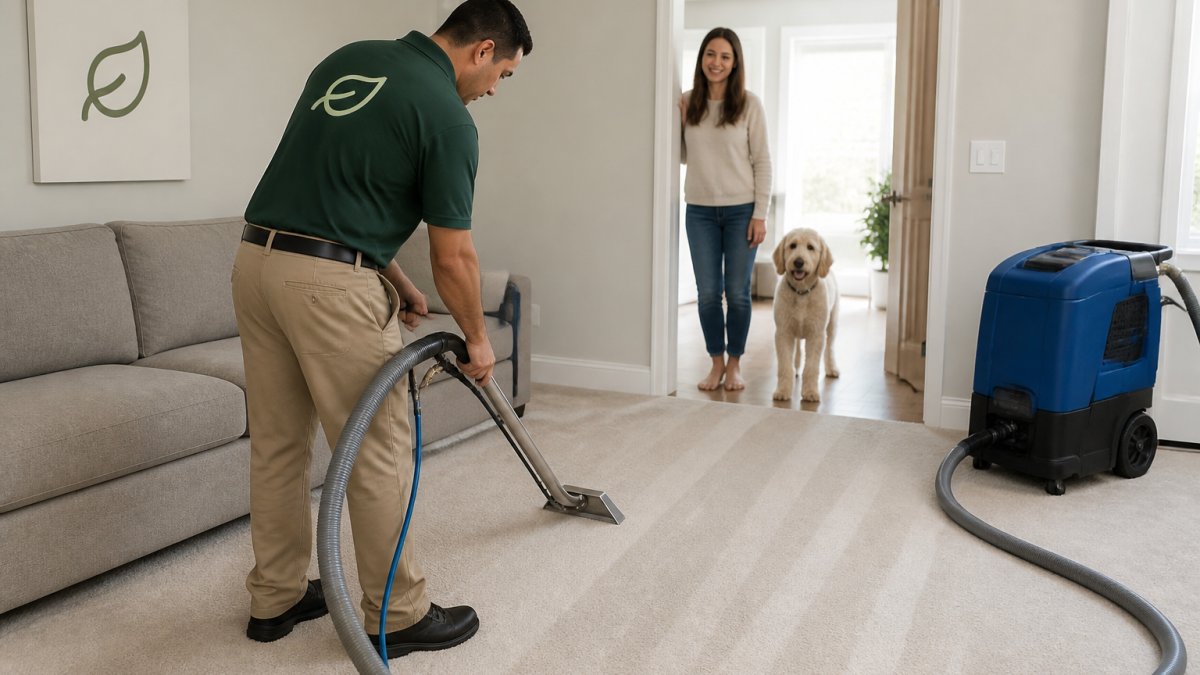
A safe deep clean follows a set order; skipping steps is how residue and moisture problems start. This sequence works for hot water extraction, the method most professionals use for wall-to-wall carpet.
tip If someone in your home has asthma or a mold sensitivity, schedule cleaning when they can be out of the house for several hours. This covers both the cleaning solution and the drying time.
Moisture Control and Drying: The Step Most People Skip
Moisture control is the step that decides whether a deep clean helps or hurts. A carpet that stays damp invites mildew and odors, and the moisture that matters most is often the moisture you cannot see: the pad underneath and the subfloor below it.
Drying is not a finishing touch. It is the step that determines whether a deep clean leaves your home healthier or leaves behind a moisture problem. Extraction power, airflow, and a humidity check are the three controls that matter most.
Conclusion
Keeping your home healthy takes more than a quick vacuum. Trapped allergens, embedded soil, and moisture build up quietly; the fix is a proper deep clean with careful drying.
At EcoClean, we use hot water extraction and eco-friendly methods to clean carpets, upholstery, and tile across Las Vegas, North Las Vegas, and Henderson. Our team handles pet stains without harsh chemicals, and online booking makes scheduling simple. Get started with EcoClean and breathe easier in a fresher, cleaner home.
Frequently Asked Questions
Does deep cleaning carpets actually improve indoor air quality?
It can, mainly by removing what has settled into the pile. Carpets act as a filter that traps dust, pollen, pet dander, and other airborne particles, and deep cleaning with hot water extraction pulls that material out instead of stirring it back up. The effect depends on doing it thoroughly and drying the carpet fast, since a damp carpet left too long can support mold growth that works against air quality. Pair deep cleaning with regular vacuuming and good ventilation for the biggest difference.
How often should you deep clean carpets for health reasons?
Most households do well with a deep clean every 12 months. Bump that to every 6 to 9 months if you have pets, children, allergy sufferers, or heavy foot traffic. Homes with someone who has asthma or a diagnosed mold sensitivity may need it closer to every 6 months. Between professional or rental-machine cleanings, vacuum high-traffic areas two to three times a week and spot-clean spills right away. If anyone in the home notices more sneezing or congestion, that is a signal to clean sooner rather than later.
Can dirty carpets cause respiratory issues or allergies?
Carpets do not cause allergies on their own, but they collect the things that trigger them: dust mites, pet dander, pollen, and mold spores. When those build up, walking on the carpet can lift particles back into the air where they get breathed in. For people with asthma or allergies, that can mean more irritation and symptoms. Regular deep cleaning lowers that load. It is not a cure, and anyone with a diagnosed condition should follow their doctor's advice alongside cleaning.
Does hot water extraction remove bacteria from carpets?
Hot water extraction, often called steam cleaning, uses heated water and a cleaning solution pushed into the carpet fibers and then pulled back out with strong suction. The heat and the extraction together remove a large share of embedded soil, dust mites, and bacteria along with the water. Results depend on the water temperature, how slowly the technician works, and how well the carpet is dried afterward.