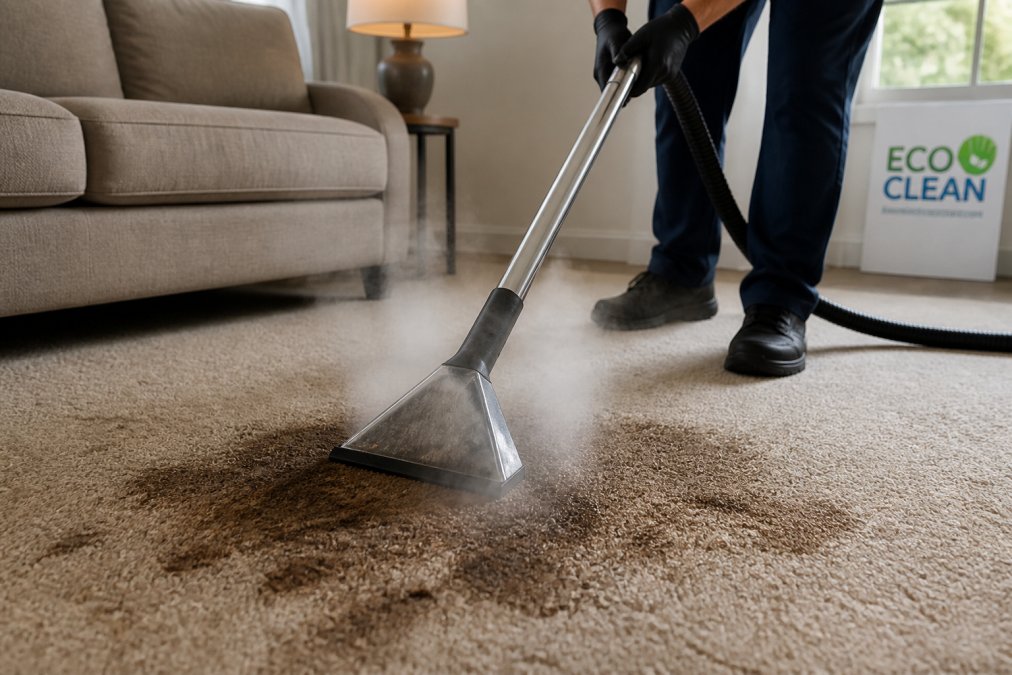
 how-to
Does Steam Cleaning Remove Set-In Stains?
Table of Contents
- Does Steam Cleaning Actually Remove Set-In Stains?
- How Steam Cleaning Works on Fabric Fibers
- Types of Stains Steam Can Remove
- How to Remove Old Pet Stains from Carpet
- Hot Water Extraction vs Steam Cleaning
- How to Treat Stubborn Carpet Stains Before Steam Cleaning
- When to Stop and Call a Professional
- Conclusion
- Frequently Asked Questions
Last Updated: September 18, 2026
Does Steam Cleaning Actually Remove Set-In Stains?
Set-in stains bond with carpet fibers at a molecular level. Does steam cleaning remove set in stains depends on stain type, age, and cause. The answer is nuanced: steam cleaning works on some set-in stains and fails on others.
Fresh stains respond well to hot water extraction. Old stains chemically bond deeper to the fiber, so heat and moisture alone may not break those bonds. Pre-treatment becomes essential.
How Steam Cleaning Works on Fabric Fibers
Steam cleaning relies on heat, moisture, and agitation. Hot water extraction forces heated water into carpet fibers at high pressure, dissolving water-soluble stains like dirt and food residue. Agitation breaks the physical bond between stain and fiber, then a vacuum extracts the dirty water.
Heat breaks down certain stain compounds. Protein-based stains (blood, pet accidents) respond well because proteins denature in hot water. Tannin-based stains (coffee, tea, wine) respond because heat dissolves tannin molecules.
Does steam cleaning remove set in stains effectively depends on fiber saturation and depth. Some stains sit so deep in the backing that steam never reaches them.
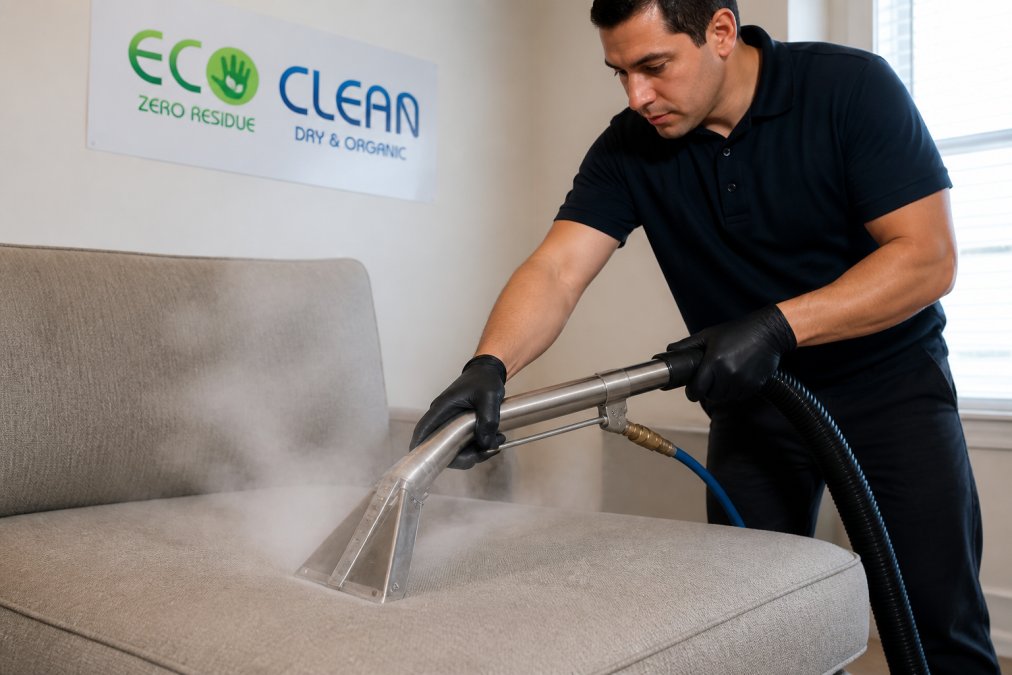
Poor extraction leaves residue that attracts dirt, causing stains to reappear within weeks. Equipment quality and technique determine whether carpet stays clean or looks dirty again in a month.
Types of Stains Steam Can Remove
Not all stains respond equally to steam cleaning. The key is understanding the chemical bonds between the stain and the fiber, and whether heat and moisture can break those bonds.
Water-soluble stains (dirt, dust, food spills, mud, sweat) dissolve readily in hot water because they bond weakly to fiber. Steam cleaning removes them easily in a single pass through solvation.
Protein-based stains (pet accidents, blood, egg, dairy) denature at 140°F. Steam cleaning (150-200°F) removes them well if fresh, but old stains cross-link through oxidation, making heat alone insufficient.
Tannin-based stains (coffee, tea, wine, berries) bond through hydrogen bonding and dissolve slowly with heat. They often need pre-treatment before steam cleaning. Tannins oxidize over time, so fresh spills lift completely while month-old stains may leave ghost marks.
Oil-based stains (grease, cooking oil, lipstick, sunscreen) don't dissolve in water and may spread when heated. They require solvent-based pre-treatments before water extraction can work.
Dye stains (permanent markers, ink, food coloring) form covalent bonds with fiber through substantivity. Steam cleaning won't break these bonds. Dye stains are often permanent.
The set-in threshold: A stain transitions from "fresh" to "set-in" roughly 24-72 hours after it occurs. During this window, the stain is still primarily sitting on the fiber surface or in the upper layers. After 72 hours, oxidation and fiber absorption accelerate. The stain begins to bond more deeply. By two weeks, most stains have penetrated into the carpet backing and padding. At this point, steam cleaning alone becomes much less effective because the stain has moved beyond where the hot water can easily reach it.
How to Remove Old Pet Stains from Carpet
Pet stains are the most common reason homeowners call for professional cleaning. The challenge: old pet stains have set in deeper than fresh ones.
Step 1: Identify the stain location
Pet urine soaks into carpet backing and padding. Use a blacklight or your nose to find all affected areas and mark them before cleaning.
Step 2: Pre-treat with an enzyme cleaner
Enzyme cleaners break down uric acid crystals in pet urine by breaking molecular bonds. Apply and let sit for 24 hours if possible, longer contact time means better results.
Step 3: Apply hot water extraction
After enzyme pre-treatment, steam cleaning becomes much more effective. The enzymes have already loosened the stain. The hot water now extracts it more completely.
Step 4: Extract thoroughly
Multiple extraction passes remove more moisture and residue. Under-extraction is the #1 reason stains return. Ensure the carpet dries completely within 24 hours.
Step 5: Address the padding if needed
If the stain soaked through to the padding, the carpet alone won't solve it.
Hot Water Extraction vs Steam Cleaning
These terms get used interchangeably, but they're slightly different. Understanding the distinction matters.
How to Treat Stubborn Carpet Stains Before Steam Cleaning
Pre-treatment is where most stain removal succeeds or fails. The right pre-treatment depends on three factors: stain type, carpet fiber, and how long the stain has been present.
For water-soluble stains:
- Mix one tablespoon dish soap per cup of warm water
- Apply and let sit 10-15 minutes
- Blot, rinse with plain water, and blot again
For protein-based stains (pet accidents, blood, food):
- Use an enzyme cleaner and let sit 12-24 hours
- Enzymes break protein bonds at the molecular level
- Contact time matters more than scrubbing
For tannin-based stains (coffee, tea, wine):
- Mix one part white vinegar to two parts water
- Apply and let sit 5 minutes
- Blot, then follow with dish soap solution
- Rinse and blot
For oil-based stains (grease, cooking oil, lipstick):
- Sprinkle baking soda or cornstarch for 15-30 minutes
- Vacuum thoroughly
- Apply solvent-based pre-treatment (citrus degreaser or dry-cleaning solvent) for 10-20 minutes
- Then steam clean
Fabric compatibility matrix:
| Fiber Type | Safe for Vinegar | Safe for Enzymes | Safe for Solvents | Heat Sensitivity | Water Spotting Risk |
|---|---|---|---|---|---|
| Polyester (synthetic) | Yes | Yes | Yes | Low | Moderate |
| Nylon (synthetic) | Yes | Yes | Yes | Low | Low |
| Wool (natural) | Caution (use dilute) | Yes | Caution (test first) | High | High |
| Silk (natural) | No | Caution (test first) | No | Very High | Very High |
| Cotton (natural) | Yes | Yes | Caution (test first) | Moderate | Moderate |
| Olefin/Polypropylene | Yes | Yes | Caution (test first) | Moderate | High |
Key compatibility notes:
- Wool and silk are protein fibers; enzyme cleaners can damage them. Test first and limit contact to 5-10 minutes.
- Vinegar leaves water spots on wool and silk; use only if necessary and rinse thoroughly.
- Solvent pre-treatments can cause color bleeding on natural fibers; test first.
- Polyester and nylon tolerate most pre-treatments but are prone to water spotting if extraction is incomplete.
The set-in stain protocol: For stains older than one week:
- Apply enzyme cleaner overnight (12-24 hours)
- Blot gently (don't scrub)
- Apply secondary pre-treatment (vinegar for tannins, solvent for oils) for 10-20 minutes
- Blot and steam clean
When to Stop and Call a Professional
Some stains won't respond to any home treatment. Knowing when to stop trying saves time and money.
Call a professional if:
- The stain is older than 6 months and hasn't responded to treatment
- The stain is oil-based or contains dyes
- The carpet has permanent damage (bleaching, melting, matting)
- The stain covers a large area or multiple spots suggest a deeper problem
- Treatment failed twice and the stain returned within weeks
- The carpet backing or padding is damaged or wet
Conclusion
Does steam cleaning remove set in stains? The answer is: sometimes. Steam cleaning works on water-soluble stains, protein-based stains, and tannin stains, provided they haven't set too deep or caused permanent damage. Old stains need pre-treatment first. Oil-based and dye stains require different approaches entirely.
Frequently Asked Questions
Can steam cleaning remove set-in stains that have been in carpet for months?
Steam cleaning can lift some set-in stains, but success depends on stain type and how long it has been embedded. Water-soluble stains like juice respond better than protein-based stains from pet accidents or blood. The longer a stain sits, the more it bonds to fibers through hydrolysis and oxidation. Pre-treatment and professional-grade hot water extraction improve results, but heavily set stains may require multiple treatments or professional intervention.
How do I remove old pet stains from carpet before trying steam cleaning?
Start by identifying the stain location with a blacklight or UV flashlight. Blot fresh urine with white cloths, then treat with an enzymatic cleaner designed for pet stains, these break down organic matter rather than mask odors. For old, dried stains, apply the enzymatic solution, let it sit 24 hours, then blot thoroughly. Once pre-treated, steam cleaning with hot water extraction becomes more effective at lifting remaining residue and disinfecting the fibers.
What's the difference between hot water extraction and steam cleaning?
Hot water extraction (truck-mounted or portable) sprays heated water mixed with cleaning solution into carpet, then immediately extracts it with suction, removing moisture and dissolved stains. Steam cleaning uses dry steam or low-moisture steam without extraction, leaving more moisture in fibers. Hot water extraction is more effective for deep cleaning and stain removal because the extraction step removes dissolved stains and excess moisture. Steam alone may not fully eliminate stains or dry quickly enough to prevent mildew.
What should I not clean with a steam cleaner?
Avoid steam cleaning delicate natural fibers like wool, silk, or antique textiles, as heat can cause shrinkage and permanent damage. Do not use steam on heat-sensitive materials, unsealed wood, or leather. Never add dish soap or chemical cleaners to a steam cleaner, they create residue and foam that damages equipment. For these materials, consult a professional or use cold-water spot treatment instead. Always test steam on a hidden area first to confirm the fabric can tolerate thermal energy.