 comparison
Is Deep Cleaning Tile Grout Worth It? A Practical Guide
Table of Contents
- Why Grout Gets Dirty and Why It Matters
- DIY Grout Cleaning vs Professional Cleaning: What Actually Works
- Cost of Professional Grout Cleaning: Is the Investment Worth It?
- How Often to Deep Clean Tile and Grout: A Maintenance Schedule
- Best Tool for Cleaning Grout: Methods and Material Compatibility
- Benefits of Deep Cleaning and Realistic Expectations
- When Professional Cleaning Is Worthwhile
- Protecting Your Investment: Grout Sealant and Preventive Care
- Frequently Asked Questions
Last Updated: October 13, 2026
Why Grout Gets Dirty and Why It Matters
Grout is porous, which explains why deep cleaning tile grout matters and why your tile looks worse every year, no matter how often you clean it.
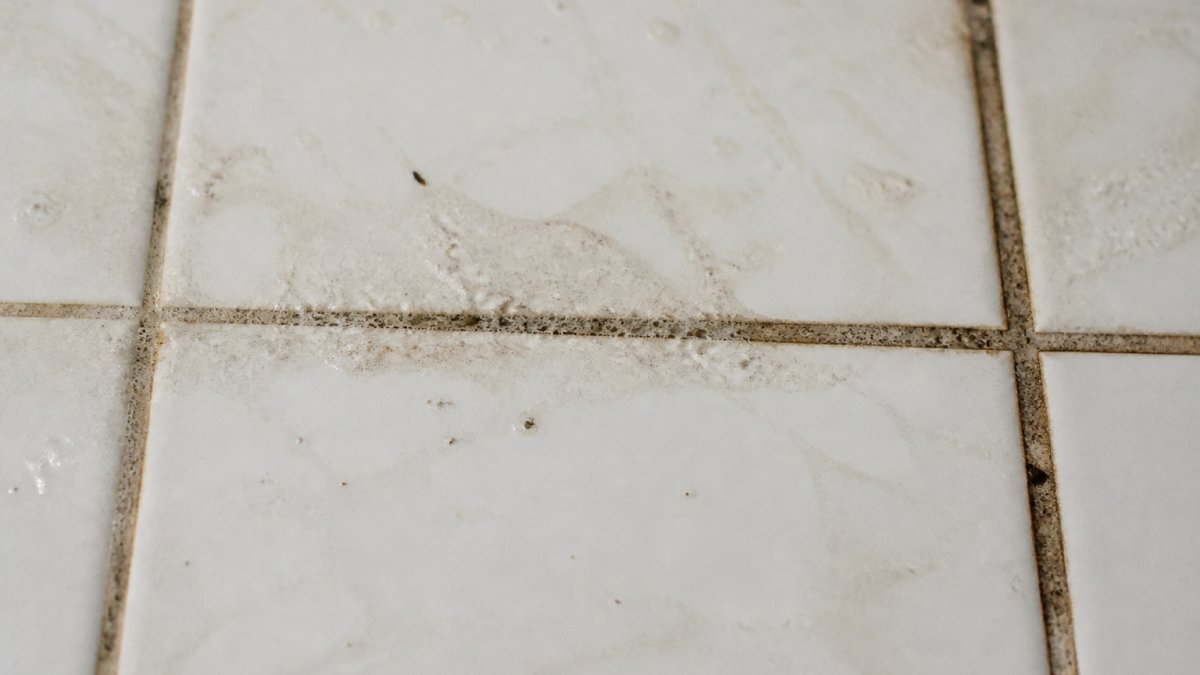
The grout between each tile is essentially a sponge. Unlike glazed tile, cement-based grout absorbs water, dirt, and soap residue, and that buildup becomes discoloration, mold, and staining routine cleaning can't touch.
Grout Porosity and Moisture Absorption
Grout porosity is the reason deep cleaning tile grout matters at all.
Water doesn't just pass through grout, it stays. In bathrooms and kitchens that moisture feeds mold and mildew; in entryways, dirt and salt embed themselves; in showers, soap residue hardens inside the pores.
Once embedded, these contaminants are no longer a surface problem. Store-bought cleaners remove what's on top but can't extract what's trapped inside the grout matrix, which is why grout looks clean one week and dingy two weeks later.
Common Sources of Grout Staining and Discoloration
Grout discoloration comes from specific sources, and knowing them tells you whether routine cleaning or deep cleaning tile and grout is the right move.
Soap residue and hard water deposits are the most common bathroom culprits.
Tracked-in dirt and salt affect entryways and kitchens.
Mold and mildew thrive in moist grout, especially in bathrooms and kitchens near water sources.
The key insight: most of these stains are embedded contaminants, not surface dirt. Routine cleaning addresses surface dirt; deep cleaning tile and grout targets what's inside the pores.
DIY Grout Cleaning vs Professional Cleaning: What Actually Works
The difference between DIY and professional cleaning comes down to equipment power, chemical formulation, and access to the grout itself.
Routine Cleaning vs Deep Cleaning
Routine cleaning, weekly or monthly mopping, brushing, and standard cleaner, removes surface dirt and keeps freshly installed, sealed grout looking good.
Deep cleaning tile and grout uses one of three methods:
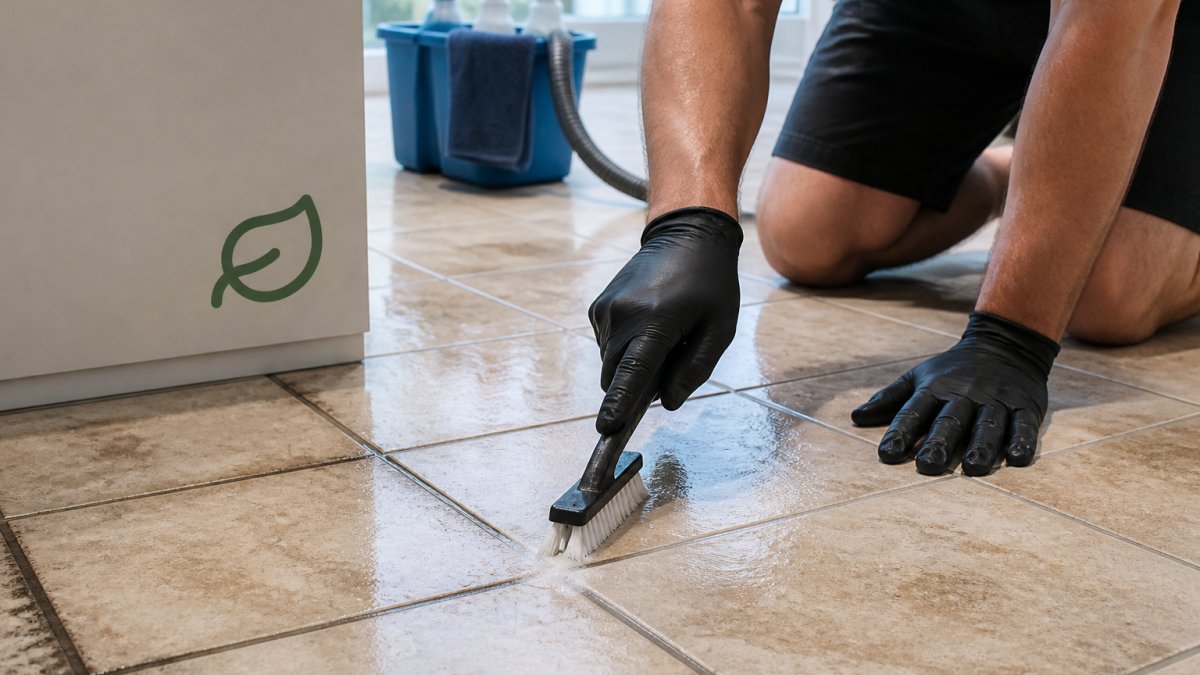
Hot water extraction (steam cleaning) forces heated water at high pressure into the grout, breaking apart embedded grime and extracting it back out. It works on most grout types and handles soap residue, dirt, and light mold.
Chemical-based deep cleaning uses specialized cleaners that penetrate pores and break down stains chemically, stronger than store-bought options and often requiring professional application to avoid damage.
Poultice treatments apply a paste that draws stains out over hours or days, best for rust, wine, or other organic stains.
Limitations of Store-Bought Cleaners
Store-bought grout cleaners are designed for light maintenance, not deep cleaning tile and grout.
CLR Brilliant Bath Foaming Bathroom Cleaner, a top overall pick in recent product roundups, handles routine maintenance and fresh buildup but doesn't penetrate porous grout or years of embedded staining.
Clorox Tilex Mold and Mildew Remover works on surface mold but doesn't reach colonies inside grout pores, a temporary fix for active mold.
The core limitation: consumer products work on mildly soiled grout, not grout that's absorbed dirt and moisture for years.
Cost of Professional Grout Cleaning: Is the Investment Worth It?
Professional deep cleaning tile and grout costs money. The question is whether the results justify the expense.
Factors That Affect Pricing
Professional grout cleaning is typically priced per square foot, though actual pricing varies significantly based on several factors.
Square footage is the primary cost driver: a small bathroom runs 50-100 square feet of tile, a kitchen with flooring and backsplash 150-250.
Grout condition matters: lightly soiled grout needs fewer passes, while years of heavy staining requires aggressive treatment and more labor time.
Sealing after cleaning is optional but recommended, protecting your investment and extending time before the next deep clean, at added cost.
Comparing Long-Term Value
The real question is whether the results last long enough to justify the expense. Lightly soiled grout maintained with routine cleaning and sealant might go 2-3 years before needing professional deep cleaning again; heavily stained grout can see a dramatic difference from a single visit.
Where value breaks down: clean professionally, then neglect it, and the problem returns quickly, you've paid for a temporary cosmetic fix.
How Often to Deep Clean Tile and Grout: A Maintenance Schedule
A realistic schedule depends on traffic, moisture exposure, and how well you maintain grout between professional cleanings.
| Grout Condition | Initial Deep Clean | Maintenance After | Frequency |
|---|---|---|---|
| Lightly soiled, sealed grout | As-needed baseline | Annual or every 18 months | Once per year |
| Moderately stained, unsealed | Immediate priority | Every 12-18 months | Twice per year |
| Heavily stained, high moisture | Urgent; may need multiple passes | Every 6-12 months | 2-4 times per year |
| New installation with sealant | Not needed initially | Every 2-3 years | Once every 2-3 years |
For most households, one professional deep cleaning per year is reasonable with maintenance between cleanings. Showers and high-traffic entryways need more frequent attention. Sealed grout stays cleaner longer because the sealant blocks moisture and dirt; unsealed grout needs more frequent deep cleaning because contaminants embed faster.
Best Tool for Cleaning Grout: Methods and Material Compatibility
Not all methods work on all grout and tile types. The wrong one can damage grout, etch tile, or create new problems.
Hot Water Extraction and Advanced Cleaning Techniques
Hot water extraction is the most common professional method.
It works well on ceramic and porcelain tile with cement-based grout and is relatively safe because it doesn't rely on harsh chemicals. The limitation: it can be too aggressive on delicate materials.
Chemical-based deep cleaning uses specialized formulations that penetrate pores and dissolve stains at a molecular level, stronger than store-bought cleaners and applied by professionals who know how long to let them dwell and when to rinse. For stubborn organic stains (wine, food, rust), chemical cleaning often beats water extraction alone.
What Not to Use on Tile and Grout
Several common approaches damage grout and tile more than they help.
Wire brushes and metal scrubbers scratch tile and gouge grout lines, damaging the finish.
Abrasive powders and scouring pastes create micro-damage that makes grout more porous and prone to future staining.
Pressure washers over 3,000 PSI can fracture grout and damage tile; professional equipment is calibrated to your grout type, while consumer units often lack that precision.
Sealers applied to dirty grout trap dirt and stains underneath, grout must be cleaned thoroughly before sealing.
Benefits of Deep Cleaning and Realistic Expectations
Deep cleaning tile and grout delivers real benefits, but they're not permanent or unlimited.
Stain Removal and Restoration Results
The most immediate benefit is visual: heavily stained grout becomes noticeably lighter, and tile looks fresher once grout lines are no longer dark and dingy.
How much improvement you see depends on the stain and how long it's been embedded. Surface stains (tracked-in dirt, soap residue) respond dramatically, 80-90% improvement in one cleaning.
Realistic expectation: deep cleaning tile and grout improves appearance significantly, but it's not a miracle cure for decades of buildup.
Health and Indoor Air Quality
The claim that deep cleaning improves indoor air quality is partially true. Mold and mildew in grout release spores, so removing active colonies reduces spore concentration, real relief for people with mold allergies or respiratory sensitivity.
If mold keeps returning quickly, the root problem is moisture. Deep cleaning treats the symptom, not the cause, you need to reduce moisture (ventilation, leak fixes, exhaust fans) to prevent it returning. Realistic expectation: deep cleaning removes existing mold and improves air quality temporarily, but it's no substitute for moisture control.
When Professional Cleaning Is Worthwhile
Not every homeowner needs professional deep cleaning. Professional deep cleaning tile and grout is worthwhile if:
- Your grout is visibly stained despite routine cleaning, and the discoloration bothers you
- You're preparing to sell your home and want tile to look its best
- You have mold or mildew in grout and respiratory sensitivity
- Your grout is sealed and you want to maintain the investment
- You have high-traffic areas or moisture-prone spaces that need periodic deep cleaning
- You're committed to a maintenance schedule that keeps the results lasting
Professional cleaning is probably not necessary if:
- Your grout is lightly soiled and routine cleaning keeps it acceptable
- You're renting and not planning to stay long-term
- Budget is extremely tight and basic maintenance is your only option
- Your grout is already failing or crumbling (it needs regrouting, not cleaning)
The honest truth: professional deep cleaning tile and grout is discretionary for most homeowners. It improves appearance and can address mold, but it's not essential for health or home function, the decision comes down to whether the cosmetic improvement and peace of mind are worth the cost.
Protecting Your Investment: Grout Sealant and Preventive Care
The real value of professional deep cleaning emerges when you protect the results afterward.
A quality sealant (water-based or penetrating) fills the pores and creates a barrier that repels water and dirt, so grout stays cleaner longer.
Preventive care between professional cleanings extends the life of your clean grout:
- Wipe up spills immediately, especially in kitchens and bathrooms
- Use exhaust fans during and after showers to reduce moisture
- Mop weekly with plain water or mild cleaner
- Avoid acidic cleaners and bleach that weaken grout
- Fix water leaks promptly to prevent moisture-related mold
- Reapply sealant every 1-3 years as recommended
At EcoClean, we recommend thinking of deep cleaning tile and grout as part of a complete maintenance strategy, not a one-time fix.
The decision to invest is ultimately about your priorities. If you value clean, fresh-looking tile and will maintain it afterward, the investment delivers lasting results.
Frequently Asked Questions
Is professional tile and grout cleaning actually worth the cost?
Professional deep cleaning removes embedded grime, soap residue, and contaminants that routine cleaning cannot reach. Whether it's worthwhile depends on your grout condition, household size, and how long you plan to stay in your home. For heavily stained grout or homes with pets and children, the restoration results and extended tile life often justify the investment. For light surface dirt, routine DIY cleaning may suffice.
How often should you deep clean tile and grout?
Most households benefit from deep cleaning tile and grout every 12-18 months, depending on foot traffic, moisture, and soil buildup. Homes with pets, children, or high-traffic areas may need cleaning annually. Between professional cleanings, routine maintenance with safe cleaning solutions extends the time between deep cleanings. Grout sealant applied after deep cleaning also slows resoiling and can reduce the frequency of future deep cleaning.
What's the best tool for cleaning grout?
Hot water extraction is the most effective method for deep cleaning grout because it reaches into porous grout lines and removes contaminants without relying on harsh chemicals. For routine cleaning, a soft-bristled brush with a pH-neutral cleaner works well. Avoid wire brushes or acidic products on natural stone or unsealed grout, as they can cause damage. Professional-grade equipment and safe, non-toxic cleaning solutions deliver better results than store-bought cleaners alone.
Can deep cleaning restore badly stained grout?
Deep cleaning can significantly restore stained grout by removing surface grime, soap scum, grease, and embedded dirt. However, results depend on stain type and grout age. Mineral deposits, rust, and very old stains may not fully disappear, though they typically lighten. If stains persist after professional cleaning, grout sealing or recoloring may be options. Professional cleaners can assess whether restoration is realistic or if replacement is necessary.