 listicle
Residential Tile Cleaning Service Near Me: 2026 Guide
Table of Contents
- How Much Does Tile and Grout Cleaning Cost?
- Signs Your Tile Needs Professional Restoration
- Professional Grout Sealing Benefits for Las Vegas Homes
- Our Cleaning Process: Hot Water Extraction and Steam
- DIY vs. Professional Tile Cleaning: A Cost-Benefit Analysis
- Eco-Friendly Solutions for Pet and Child Safety
- Maintenance Schedules for High-Traffic Areas
- Frequently Asked Questions
Last Updated: September 27, 2026
How Much Does Tile and Grout Cleaning Cost?
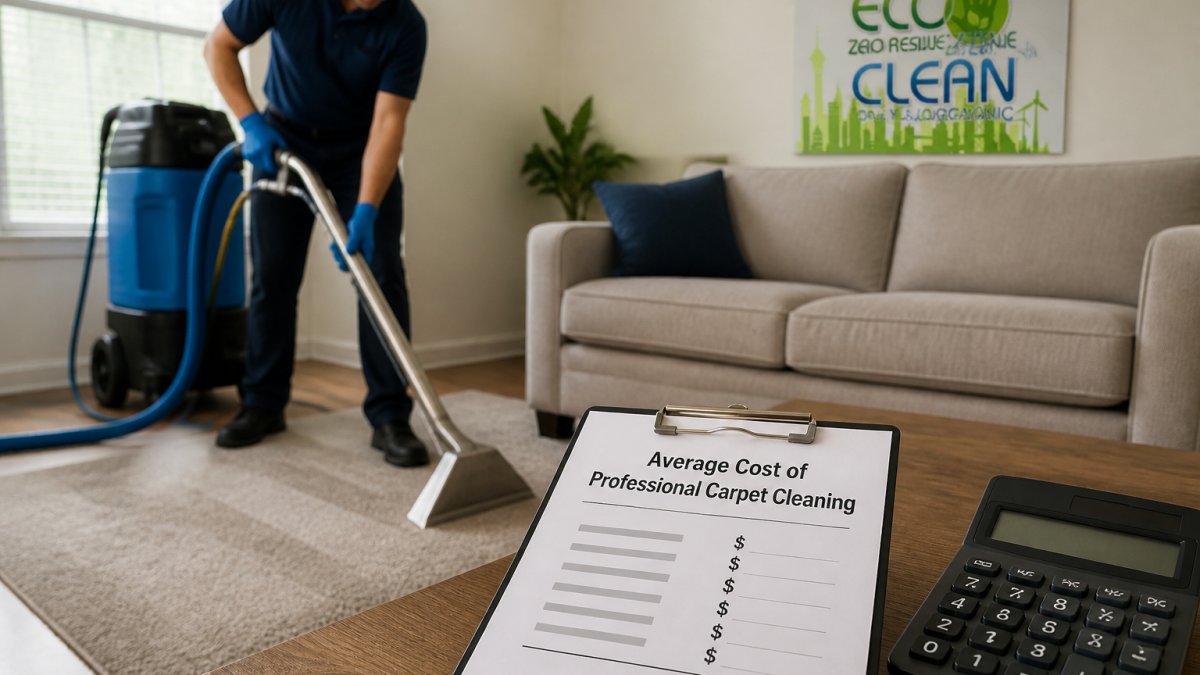
Most homeowners searching for a residential tile cleaning service near me want one number before they book. The honest answer: pricing depends on square footage, grout condition, and whether you add sealing, so EcoClean and other reputable providers quote per project, not per room.
Several variables move the final figure up or down:
- Total square footage, including grout line density (smaller tiles mean more grout to clean)
- Level of soiling, from light maintenance to years of embedded dirt
- Surface type, since porous surfaces like natural stone need gentler methods than ceramic tile or porcelain
- Add-ons, such as grout sealing, color restoration, or sanitization
- Access and layout, since tight kitchens and multiple bathrooms take longer than one open floor
What Affects the Price of a Residential Tile Cleaning Service
The biggest cost driver is not the tile, it is the grout. Grout lines are porous, and years of mopping push diluted dirt deeper until surface cleaning stops working entirely.
Three factors decide where your quote lands:
- Grout condition. Light grime buildup cleans quickly. Blackened, sealed-over, or crumbling grout needs more passes, stronger pH-balanced solutions, and sometimes color restoration.
- Square footage and layout. One open living area is faster than four small bathrooms with tight corners and fixtures to work around.
- Method required. Standard hot water extraction handles most ceramic tile and porcelain. Delicate natural stone may need lower pressure and specialized alkaline cleaners.
Signs Your Tile Needs Professional Restoration
Your floor gives clear warnings before it needs replacement. Professional restoration is warranted when regular cleaning no longer changes the appearance of the tile or grout.
Watch for these signals:
- Grout that stays dark after mopping, no matter how hard you scrub
- A dull, cloudy film on the tile that no product removes, often grout haze or detergent residue
- Visible mold and mildew in grout lines, especially near showers, tubs, and pet areas
- Sticky or gritty texture underfoot, which usually means embedded dirt and old sealer
- Cracked or missing grout, which lets moisture reach the subfloor
Professional Grout Sealing Benefits for Las Vegas Homes
Sealing is the most skipped step, and it determines whether your clean floor stays clean. Professional grout sealing fills the pores so dirt, spills, and cleaning water sit on the surface instead of soaking in.
The benefits stack up quickly:
- Slower grime buildup, so routine mopping actually works again
- Easier stain removal for wine, grease, and pet accidents
- Surface protection against everyday wear in kitchens and entryways
- Fewer harsh chemicals needed between professional visits
- Longer floor life, delaying regrouting or replacement
Our Cleaning Process: Hot Water Extraction and Steam
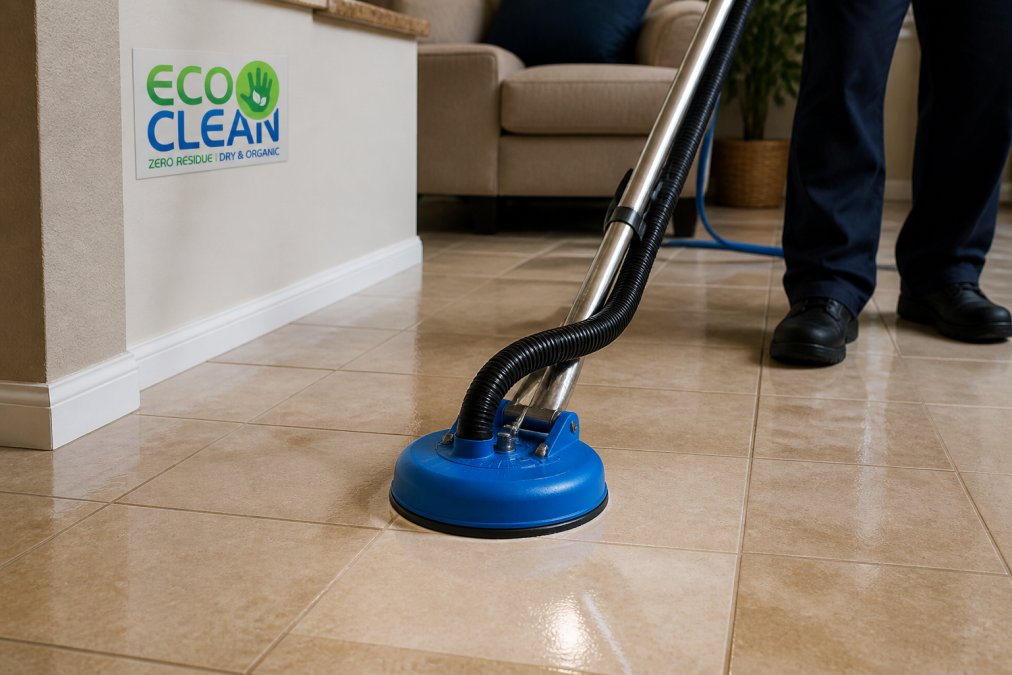
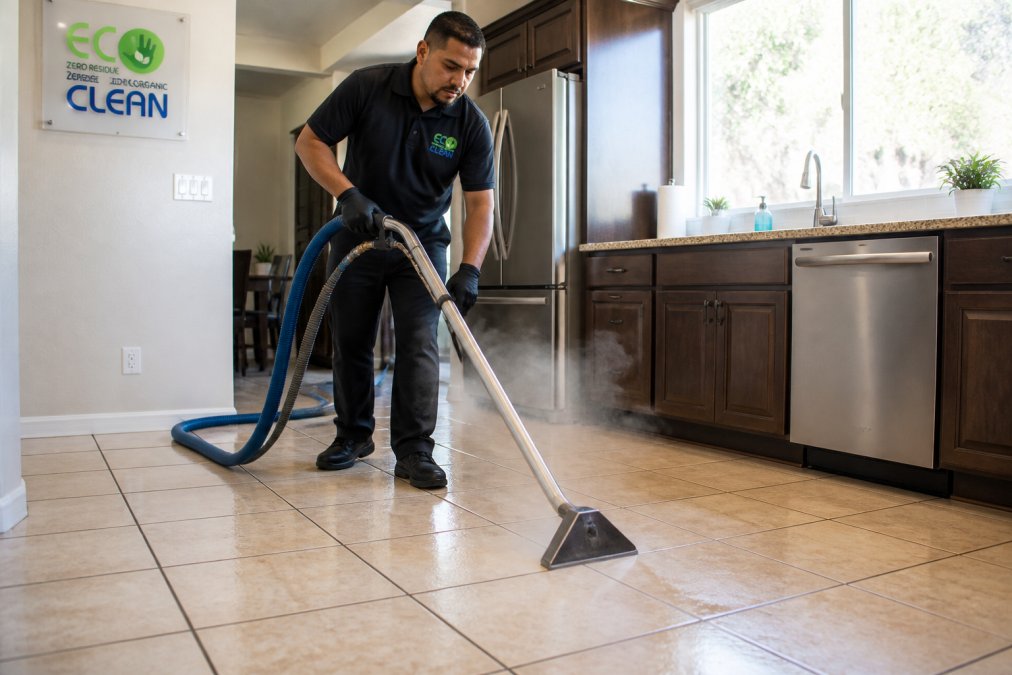
EcoClean utilizes advanced hot water extraction and deep cleaning techniques to clean tile and grout, lifting embedded dirt out of porous surfaces instead of smearing it around. Here is how a typical residential visit runs.
DIY vs. Professional Tile Cleaning: A Cost-Benefit Analysis
DIY tile cleaning works for maintenance, not restoration, and knowing where that line sits saves money and frustration. The honest way to compare the two is to price out what a real DIY restoration attempt actually costs, not just the bottle of cleaner.
| Factor | DIY Approach | Professional Service |
|---|---|---|
| Best for | Weekly upkeep, light soil | Embedded dirt, discolored grout |
| Equipment | Mop, brush, store cleaners | Hot water extraction, deep cleaning techniques |
| Grout result | Surface-level only | Deep clean to the base |
| Sealing | Rarely done correctly | Applied after cleaning |
| Time required | Hours per room | One scheduled visit |
| Risk | Grout damage, residue, mold return | Low, with trained handling |
What a Serious DIY Attempt Actually Costs
Most homeowners underestimate this because they only count supplies. A restoration-grade DIY attempt usually involves:
- A stiff grout brush and scrub pad, inexpensive, but you will replace them more than once on a full floor
- A steam cleaner or a rented extraction unit, rental rates at home improvement stores are typically charged by the day or half-day, and the deposit and pickup trip add up
- Restoration-grade alkaline cleaner and a separate grout sealer, sold by the bottle or gallon, and a single floor often needs more than one
- Personal protective gear and ventilation setup, easy to skip, risky to skip
Where the Professional Quote Earns Its Keep
A professional quote bundles several things a DIY attempt does not:
- Correct diagnosis. A technician identifies whether the grout is merely soiled, previously sealed, cracked, or efflorescing, each requires a different approach. Getting this wrong is how DIYers etch natural stone or trap grime under a bad sealer.
- Commercial-grade extraction and steam. The equipment a pro brings is not the same class as a consumer steam mop. It removes soil from below the surface rather than pushing it around.
- Sealing done right. Sealing immediately after a deep clean, on fully dry grout, is the step that makes the result last. Doing it over a damp or dirty floor locks the problem in.
- A single visit. No rental returns, no repeat weekends, no trial-and-error product purchases.
Where DIY Genuinely Wins
DIY is right for upkeep between professional visits: sweep often, mop with a pH-balanced cleaner, blot spills immediately, and spot-clean grout lines. That routine stretches the interval between deep cleans and protects your investment.
Eco-Friendly Solutions for Pet and Child Safety
Homes with pets and young children need a different standard, and it is fair to ask what is being sprayed on your floors. Eco-friendly tile cleaning avoids the harsh residues that linger after conventional cleaning.
What to look for:
- Non-toxic, pH-balanced cleaners that break down grease without caustic ingredients
- High-pressure steam, which sanitizes using heat rather than chemicals
- No sticky residue, since leftover product attracts new dirt and can irritate paws and bare feet
- Clear disclosure of every product used, before the visit
Maintenance Schedules for High-Traffic Areas
High-traffic areas need a schedule, not good intentions. Kitchens, entryways, and bathrooms collect more soil in a month than a guest bedroom does in a year, but the right schedule depends on who lives in the home, not just which room they walk through.
The Baseline Routine
Every home benefits from this foundation:
- Daily: Sweep or vacuum to remove grit before it scratches the surface
- Weekly: Mop with a pH-balanced cleaner and change the water often, dirty water just redistributes soil
- Monthly: Spot-clean grout lines in kitchens and bathrooms
- Every 12 to 18 months: Schedule a professional deep cleaning for high-traffic zones
- Every 1 to 2 years: Reapply grout sealer, or sooner if water stops beading on the surface
Adjusting the Schedule for Your Household
Homes with pets. Pet accidents, tracked-in dirt, and drool work into grout faster than foot traffic alone. Pet owners often need professional deep cleans closer to every 9 to 12 months, with sealer reapplied closer to annually.
How to Tell Your Schedule Is Too Long
Your floor will tell you before the calendar does. Shorten the interval if you notice:
- Grout darkening again within a few weeks of a professional cleaning, usually a sign the sealer has worn through
- Water no longer beading on the grout surface after a spill
- A dull film that returns quickly after mopping
- Persistent musty odor near showers or pet areas
Why the Schedule Matters More Than the Products
No cleaner compensates for a missed schedule. Embedded soil hardens and bonds to the grout, at which point surface cleaning stops working and only professional extraction will lift it. A routine keeps the professional deep clean an occasional expense instead of a recurring emergency.
Frequently Asked Questions
Is professional tile and grout cleaning worth the cost?
For most homes, yes. Professional equipment removes embedded dirt and grime buildup that mops and household cleaners cannot reach. A residential tile cleaning service also restores the floor's luster and applies sealant to protect against future stains. While DIY methods cost less upfront, they often fail to address deep-set dirt, leading to recurring discoloration and potential long-term damage.
How often should you have your tile and grout professionally cleaned?
Most homes benefit from professional cleaning every 12 to 18 months. High-traffic areas like kitchens, entryways, and bathrooms may need service every 6 to 9 months. If you have pets or children, or if you notice grout lines darkening despite regular mopping, schedule a deep cleaning sooner. Regular maintenance extends the life of your tile and reduces the need for costly restoration.
What methods do professional tile cleaners use to remove deep stains?
Professionals use hot water extraction and deep cleaning techniques to lift embedded dirt and stains from porous surfaces. They may apply alkaline cleaners or pH-balanced solutions to break down grime without damaging the tile. For stubborn stains, technicians may use appropriate tools and then follow with a sealant to protect the surface. This multi-step approach delivers results that DIY cleaning cannot match.
Can professional cleaning fix cracked or damaged grout?
Professional cleaning removes dirt and stains but cannot repair structural damage like cracks or missing grout. If your grout is crumbling or deeply cracked, you may need regrouting or restoration services. A professional inspection can determine whether cleaning will be effective or if repair is necessary. Addressing minor damage early prevents water damage and mold growth.
How long does it take for tile and grout to dry after professional cleaning?
Most tile floors dry within 4 to 6 hours after professional cleaning, depending on ventilation and humidity. Grout lines may take longer, sometimes up to 24 hours, especially if sealant is applied. Avoid walking on the floor for at least 6 hours and keep pets and children away until fully dry. Proper drying prevents mold and mildew growth and ensures the sealant cures correctly.